Botanical extract; anti-inflammatory and antioxidant agent
COMMONLY FOUND IN
Products for oily, acne-prone, and sensitive skin, and scalp-care products
WHAT ARE THE BENEFITS OF WILLOWHERB?
Willowherb extract is thought to calm inflammation and help regulate oil production. In laboratory studies, oenothein B, one of its main active compounds, inhibited 5-alpha-reductase, an enzyme involved in sebum production, and showed antioxidant and anti-inflammatory activity. Human clinical studies in acne or oily skin are lacking, and most claims rest on laboratory data and traditional use. [1]
WHAT IS WILLOWHERB?
Willowherb, also called fireweed or Canadian willowherb, is a flowering plant with a long history of use in herbal remedies and teas. Its extract contains polyphenols, including flavonoids and the tannin oenothein B. Composition varies with growing conditions and harvest time. [1]
IS WILLOWHERB SAFE FOR ALL SKIN TYPES AND TONES?
Willowherb has a long history of use and is generally considered to have a favorable safety profile, but dedicated patch-test, irritation, and allergy data for topical use are lacking. [1] Data by skin type or tone are not available.
CONTRAINDICATIONS
Contraindication data are minimal. It is reasonable to avoid use in people with known plant allergies or sensitivities to the product.
Sources:
Ailus J, Saleem I, Ismail FMD. A Review of the Anti-Inflammatory Skincare Potential of Epilobium angustifolium (Fireweed) Inspired by Herbal Tradition. Cosmetics. 2024;11(5):156. doi: 10.3390/cosmetics11050156.
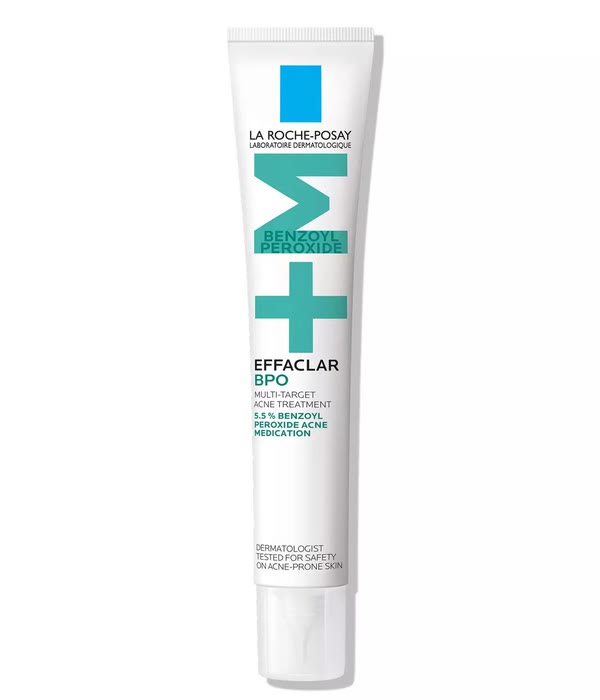
La Roche-Posay Effaclar Acne Treatment
Rohan Shah, MD
Author
Dr. Rohan Shah is a dermatology resident at Penn State’s Milton Hershey Department of Dermatology. His interests include psoriasis, medical dermatology, energy-based devices, healthcare innovation, and entrepreneurship. In his free time, Dr. Shah enjoys traveling, fitness, spending time with his family and friends, and trying new restaurants.