
Vitamin A derivatives are ubiquitous in dermatology. From least potent to most potent, they are retinols, retinaldehydes (also known as retinals), and retinoids. All Vitamin A derivatives promote cell turnover, reduce fine lines, wrinkles, and hyperpigmentation, and improve skin texture. They are effective in treating acne by unclogging pores and regulating sebum production and are widely used for photoaging. Both topical and oral forms of Vitamin A are commonly prescribed. Oral Vitamin A therapy may have potential as an adjunctive treatment for measles, although vaccination remains the most effective method of preventing this disease.
Vitamin A is a fat-soluble vitamin with topical derivatives including retinol, retinaldehyde, and retinoids. Retinol, found in over-the-counter products, is milder and requires conversion to retinoic acid in the skin. Retinaldehyde is an intermediate form, more potent than retinol but less irritating than retinoids. Retinoids, such as tretinoin, are typically prescription-strength and act directly as retinoic acid, offering the highest potency but also greater irritation potential. All forms stimulate collagen production and accelerate skin cell renewal.
Vitamin A derivatives are generally safe for most skin types and tones but may cause irritation, dryness, or peeling, particularly in sensitive skin or with initial use. Those with darker skin tones should use retinoids cautiously, as irritation may lead to post-inflammatory hyperpigmentation. It is generally advisable to start with lower concentrations or less frequent application, and increase as tolerated. Certain Vitamin A derivatives may also cause photosensitivity, and therefore should be used with caution and/or in combination with photoprotection in areas with significant sunlight exposure. Both irritant and allergic contact dermatitis have been described in association with Vitamin A derivatives.
Vitamin A deficiency can lead to follicular hyperkeratosis (rough, bumpy skin), xerosis (dry skin), and impaired wound healing. In severe cases, it may cause night blindness and increased susceptibility to skin infections due to compromised barrier function. Deficiency is rare in developed countries but can occur in malnourished populations or those with fat malabsorption disorders.
Vitamin A derivatives should be avoided during pregnancy or breastfeeding due to potential teratogenic effects (especially oral retinoids like isotretinoin). Individuals with eczema, rosacea, or very sensitive skin may experience exacerbated irritation and should start with a low dose and increase very gradually as tolerated.
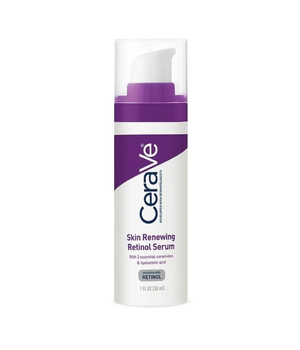
CeraVe Skin Renewing Retinol Serum
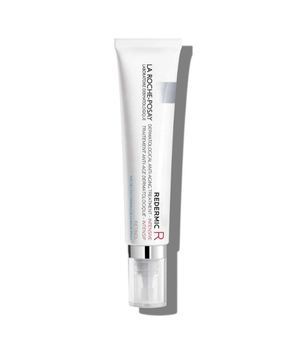
La Roche-Posay Redermic R Retinol Cream