Micronized selenium sulfide is a powerful therapeutic ingredient widely recognized for its antifungal and antiseborrheic properties. It is particularly effective in treating scalp and skin conditions caused by fungal overgrowth and excessive sebum production, making it a key component in dermatological care.
Seborrheic Dermatitis
Seborrheic dermatitis and dandruff are scalp conditions often driven by the overgrowth of Malassezia yeast, a naturally occurring fungus that flourishes in oily environments like the scalp. Symptoms such as flaking, itching, and redness can worsen under conditions like stress, hormonal changes, or cold, dry weather. Micronized selenium sulfide works by targeting Malassezia, reducing its population, and slowing the excessive turnover of skin cells that leads to scaling. Shampoos containing this ingredient are clinically proven to alleviate these symptoms, often providing relief after just a few uses. In this author’s clinical experience, allowing the shampoo to sit for 3-5 minutes on the scalp, allowing the selenium to be absorbed more fully into the skin, enhances the efficacy.
Tinea Versicolor
Tinea versicolor, a superficial fungal infection caused by Malassezia species, presents as discolored patches on the skin—typically on the chest, back, or upper arms. These patches may appear lighter or darker than the surrounding skin and can be mildly itchy. Micronized selenium sulfide is highly effective in treating tinea versicolor due to its ability to eradicate the fungal overgrowth and restore skin uniformity. It is commonly applied as a lotion or shampoo, left on the affected area for a specified time, and rinsed off, with improvement typically seen within days to weeks of consistent use.
Other Skin Benefits
Based on clinical experience and case series, selenium sulfide may serve as a helpful adjunctive therapy in the following skin conditions that may be exacerbated by fungal colonization:
Micronized selenium sulfide is a finely processed form of selenium sulfide, a compound with potent antifungal and cytostatic (cell growth-inhibiting) properties. The “micronized” aspect refers to its reduced particle size, which enhances its ability to penetrate the skin and scalp effectively. Introduced in the mid-20th century, it has since become a trusted ingredient in medicated shampoos and lotions for treating fungal and seborrheic conditions. It works by disrupting fungal cell membranes and inhibiting the rapid shedding of skin cells, addressing both the microbial and symptomatic aspects of various dermatologic issues.
Micronized selenium sulfide is generally safe for topical use across all skin tones and types when used as directed. However, it may cause irritation or dryness in some individuals, particularly those with sensitive skin. Contact dermatitis, though very rare, has been reported, and users experiencing redness, burning, or itching should discontinue use.
Micronized selenium sulfide should not be ingested, as it can cause nausea and vomiting. Scattered animal studies have also indicated that extremely high doses of oral selenium sulfide may be carcinogenic, but these studies have not been replicated in humans. Overall, selenium sulfide is intended for external use only and should not be applied to open wounds, broken skin, or mucous membranes to avoid irritation or excess absorption. Prolonged or excessive use may lead to scalp or skin dryness, and in rare cases, temporary hair loss has been reported, though hair typically regrows after discontinuation. While its risk profile in pregnancy or breastfeeding has not been fully established, physicians may recommend limiting the use of selenium sulfide during these periods out of an abundance of caution.
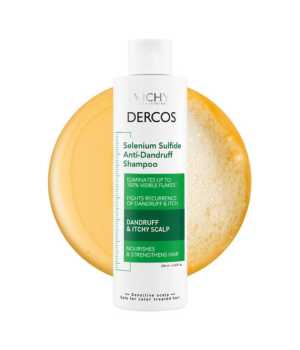
Vichy Dercos Selenium Sulfide Anti-Dandruff Shampoo